
Debunking common gambling myths What every player should know
Myth: Gambling is purely a game of chance
Many people believe that gambling is solely based on luck, but this is an oversimplification. While chance plays a significant role in games like slots and roulette, many gambling activities involve skill, strategy, and experience. For instance, participating in the chicken road game illustrates how skillful play can impact the outcome, similar to poker and blackjack. These games require players to make informed decisions based on probabilities and their opponents’ behaviors, demonstrating that skill can enhance a player’s chances of winning.
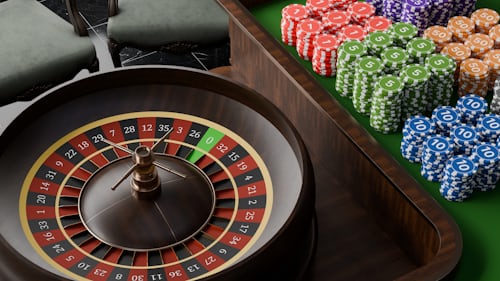
This myth can lead to a misunderstanding of the game dynamics. Players who focus solely on luck may overlook essential strategies that could improve their overall performance. Understanding the elements of skill and strategy can empower players to make more informed decisions, ultimately improving their gaming experience and potentially increasing their success.
Myth: Casinos are always rigged against players
A common belief is that casinos manipulate games to ensure players lose. While it’s true that casinos have a built-in advantage in most games, this does not mean that players cannot win. Games are designed with a house edge, which is a mathematical advantage that ensures profitability for the casino over time, but this does not imply that outcomes are unfair or rigged.
Many games, especially those based on skill, can provide players with opportunities to win. Players who educate themselves on the rules and strategies can mitigate the house edge. Understanding that while casinos have an advantage, it doesn’t mean guaranteed loss can help players approach gambling with a healthier mindset.
Myth: Gambling addiction only affects a certain type of person
It is a misconception that gambling addiction is limited to specific individuals, often stereotypically depicted as reckless or irresponsible. In reality, gambling addiction can affect anyone, regardless of background, age, or socioeconomic status. Factors such as personality traits, stress, mental health, and social environment can contribute to the likelihood of developing a gambling problem.
Understanding this myth is crucial for fostering a supportive environment for those who may be struggling. Awareness and education about gambling addiction can help normalize discussions around the issue, encouraging individuals to seek help when needed without fear of stigma or judgment.
Myth: You can predict when a game will pay out
Many gamblers believe they can predict the outcomes of games, particularly in games of chance like slots. This belief often stems from the misconception that patterns exist in random number generators. In reality, most gambling games operate on random outcomes, making it impossible to predict when a game will be favorable or when a win might occur.
Relying on the idea that one can forecast outcomes can lead to poor gambling decisions and increased losses. Players must recognize that the nature of gambling is unpredictable, and developing a mindset focused on responsible gaming rather than prediction can lead to a healthier approach to gambling.

Learn More About Responsible Gaming
For those seeking to enjoy gambling while staying informed, finding reliable platforms like the Chicken Road Game can be beneficial. With simple rules and user-friendly gameplay, it offers an engaging experience while emphasizing responsible gaming practices. Players can explore demo modes, allowing them to practice without financial risk, making it easier to understand the game mechanics.
As players immerse themselves in the excitement, it’s vital to approach gambling with knowledge and awareness. Understanding these myths can help players foster a more responsible gaming environment, ensuring that they not only enjoy their experience but also prioritize their wellbeing.